
Phased Residential Design
With Real-Time Owner Collaboration
A custom home design journey guided by disciplined research, 3D visualization, and technical precision.
Our Five Step Design Approach
We use a proven process to guide your project from initial ideas to build-ready drawings with clarity and purpose. Each step builds on the last, ensuring thoughtful decisions, efficient collaboration, and a well-resolved design.
Pre-Design Assessment
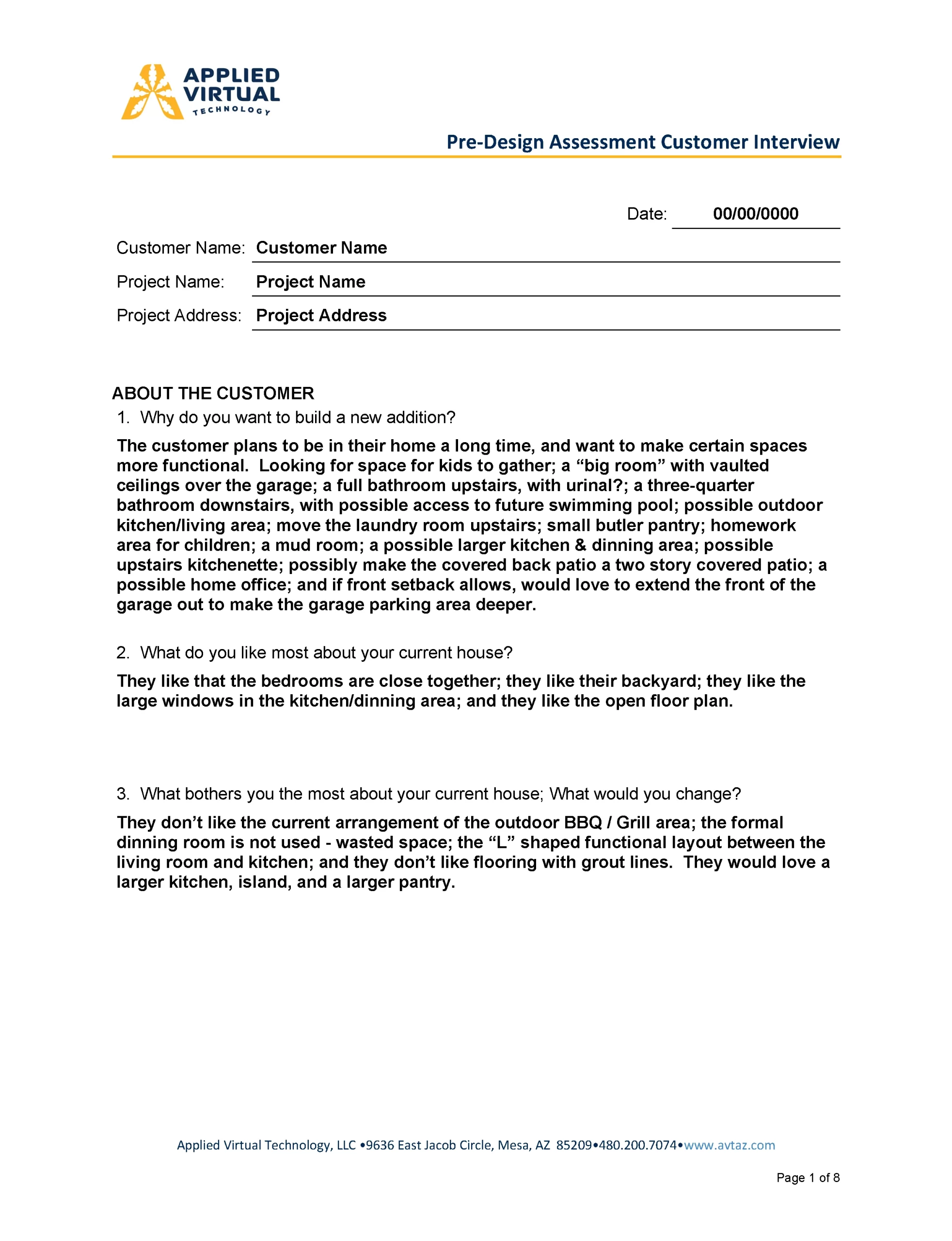
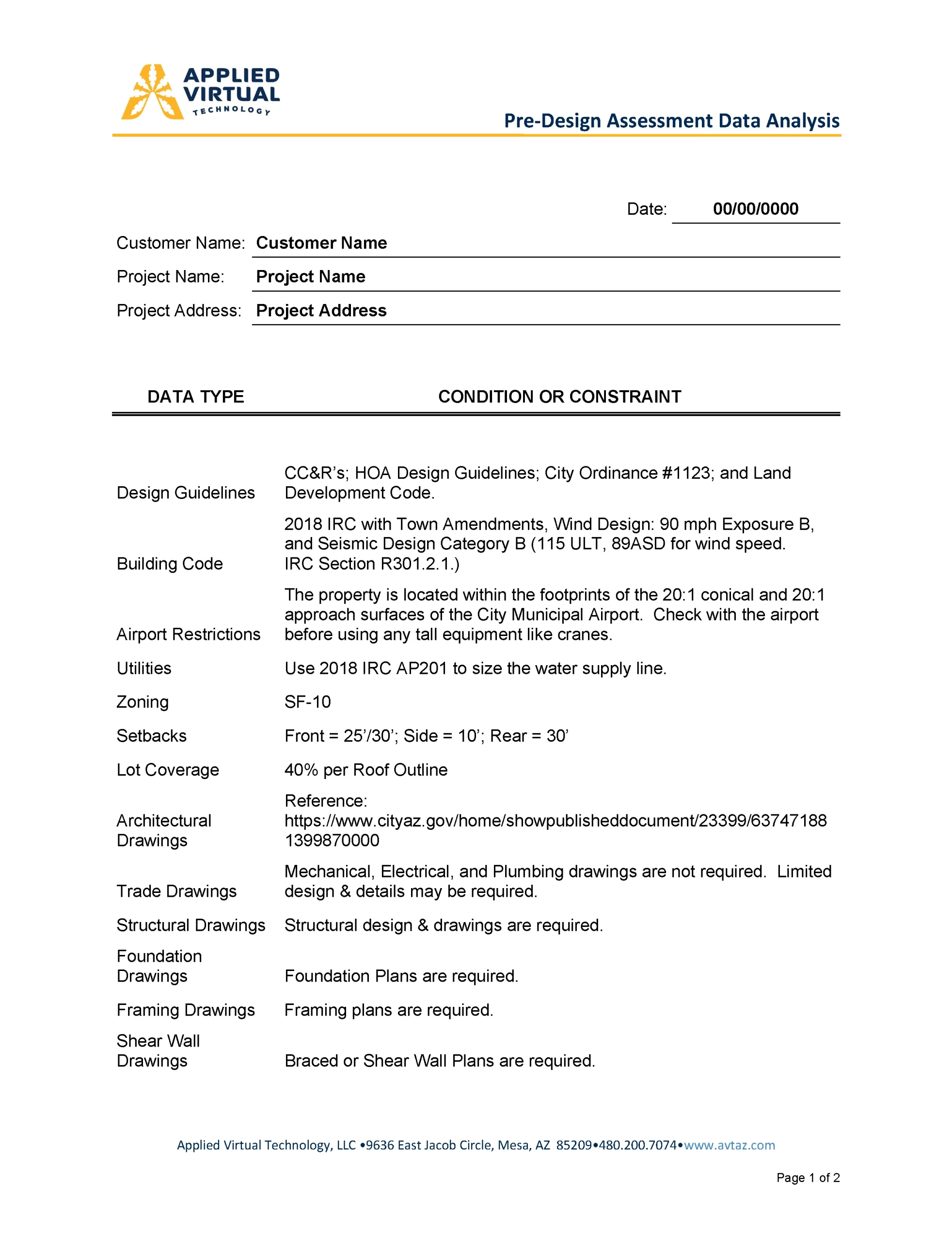
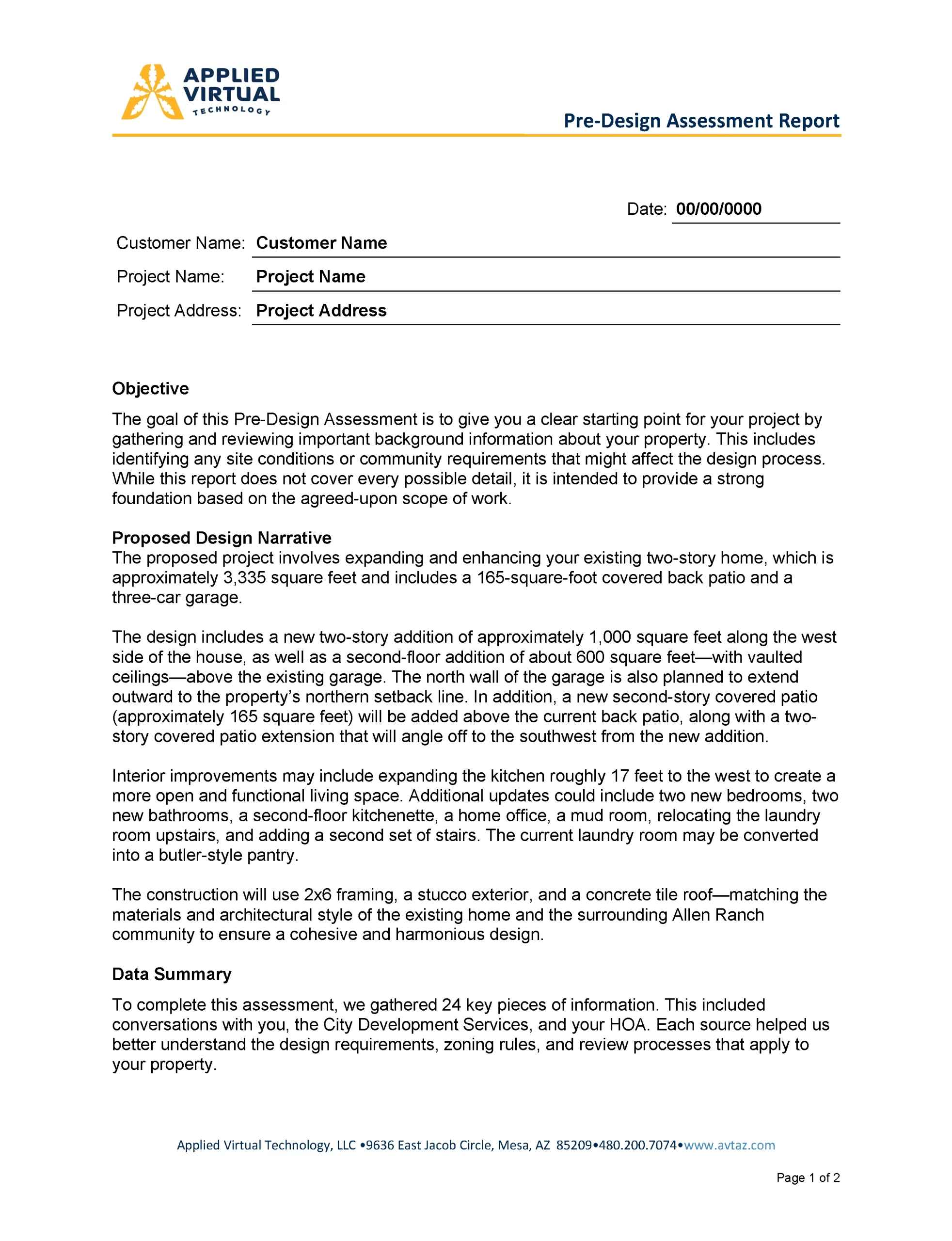
Every project begins with a Pre-Design Assessment to establish a clear understanding of your site and its constraints. We conduct a two-hour interview with you, review zoning and property records, consult with the local building department and HOA design guidelines when applicable, and study aerial, online, and assessor data to identify factors that may influence your design. Our findings are delivered in a detailed PDF summary report.
Over 20 data points are reviewed, including:
- Recorded lot boundaries
- Building setback lines
- Zoning
- Development overlay districts
- Online aerial photography
- Online topography
Massing Study
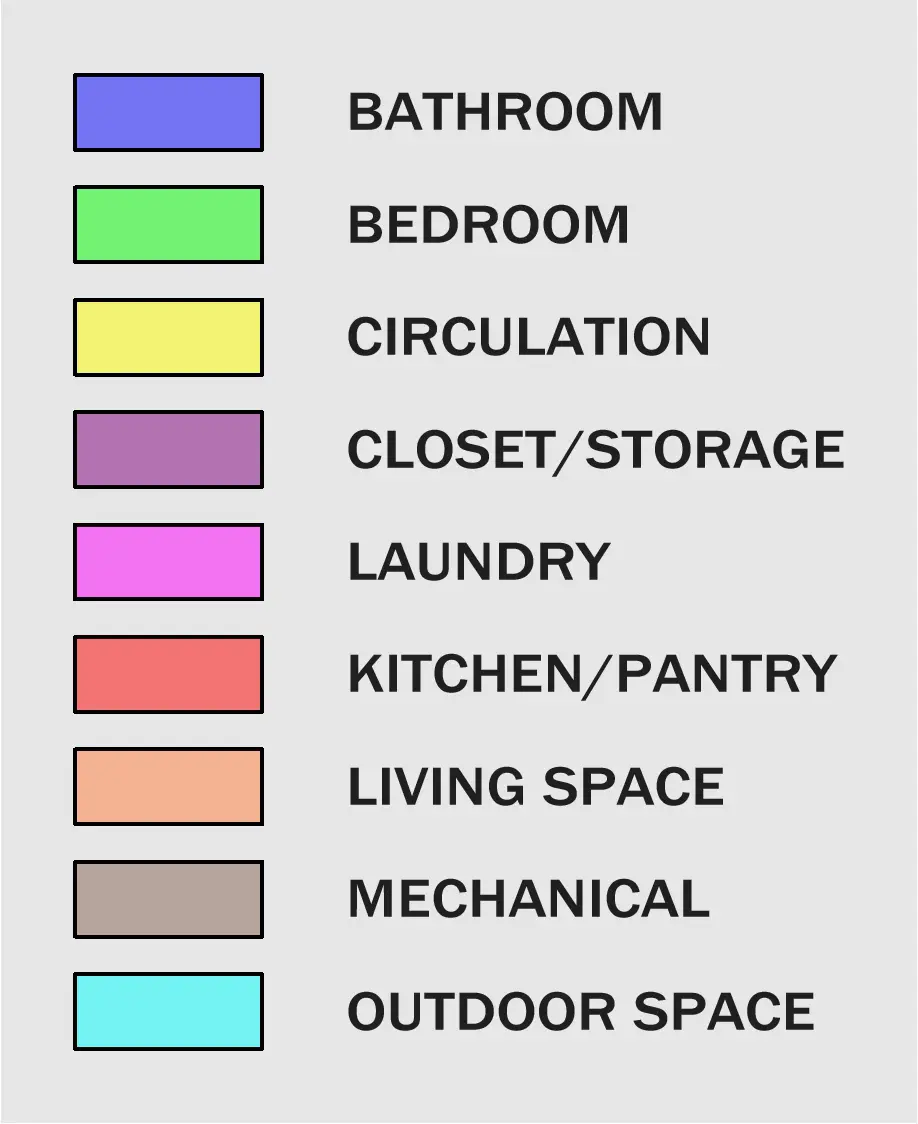
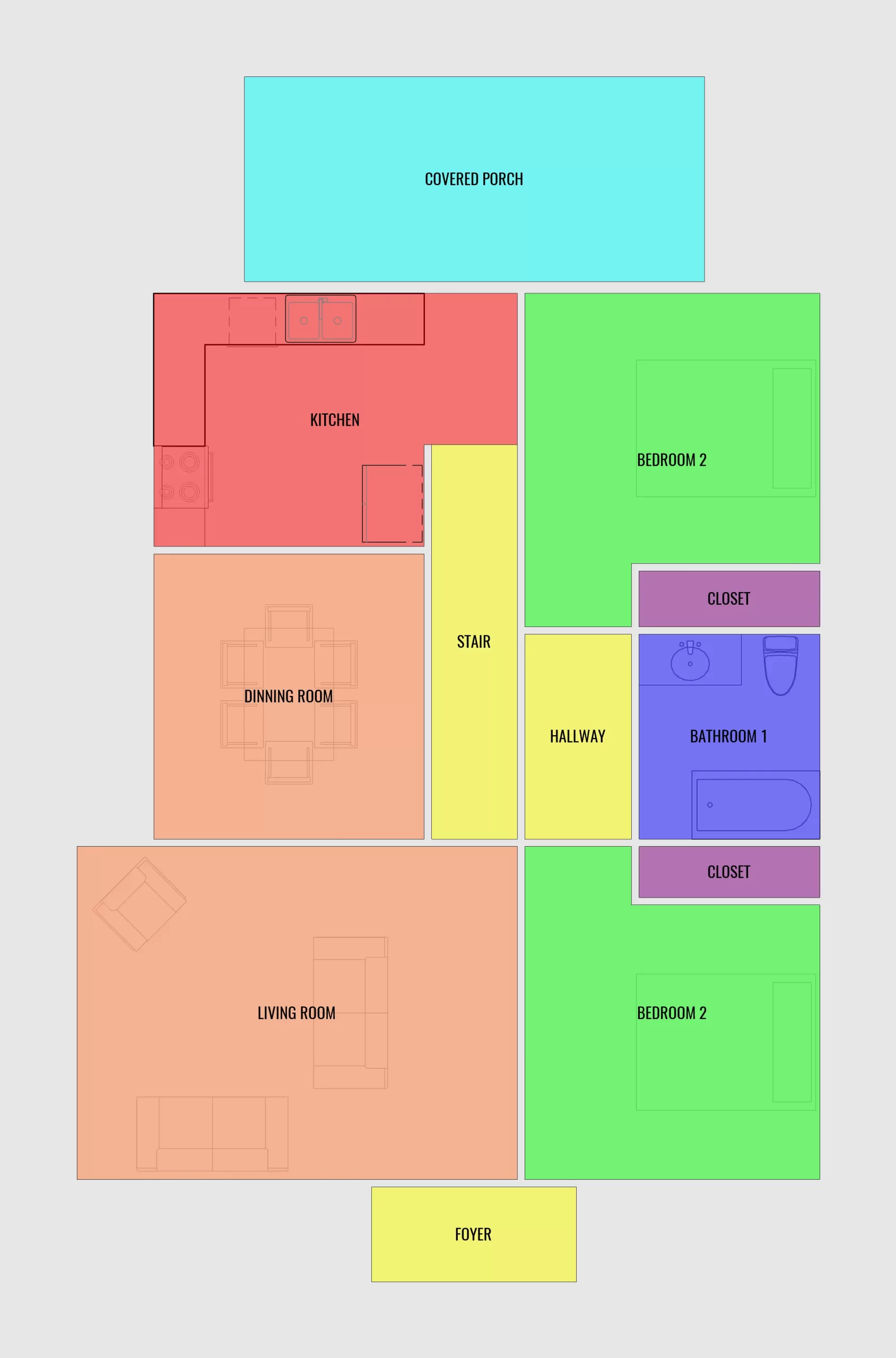
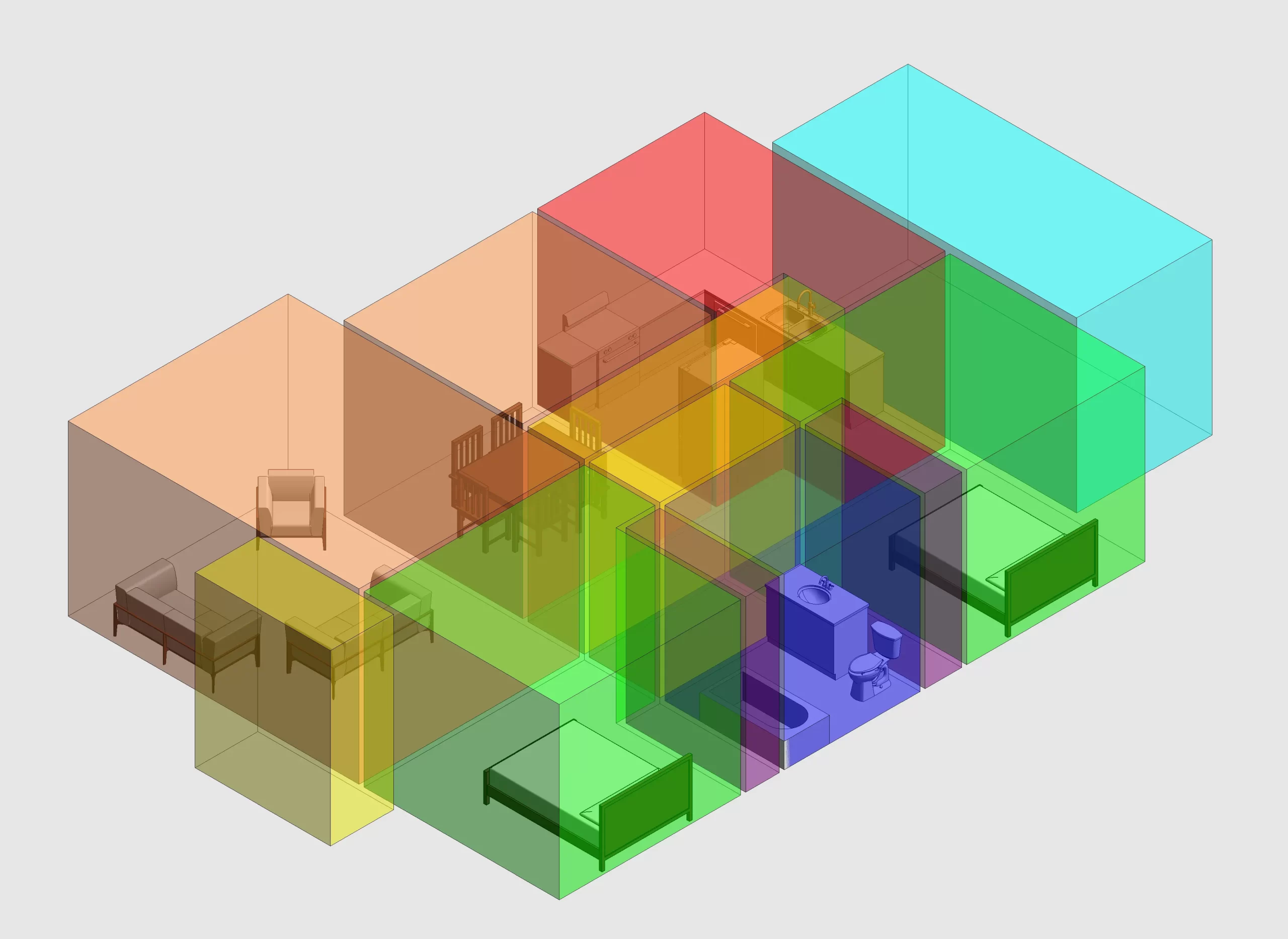
During the Massing Study phase, your ideas begin to take shape. We start with a two-hour virtual design session using 3D visualization tools. Together, we explore the size, placement, and relationships of your project's spaces using "Jello-cube" massing models. This phase concludes with a clear, shareable PDF Massing Study Package summarizing our work.
Schematic Design
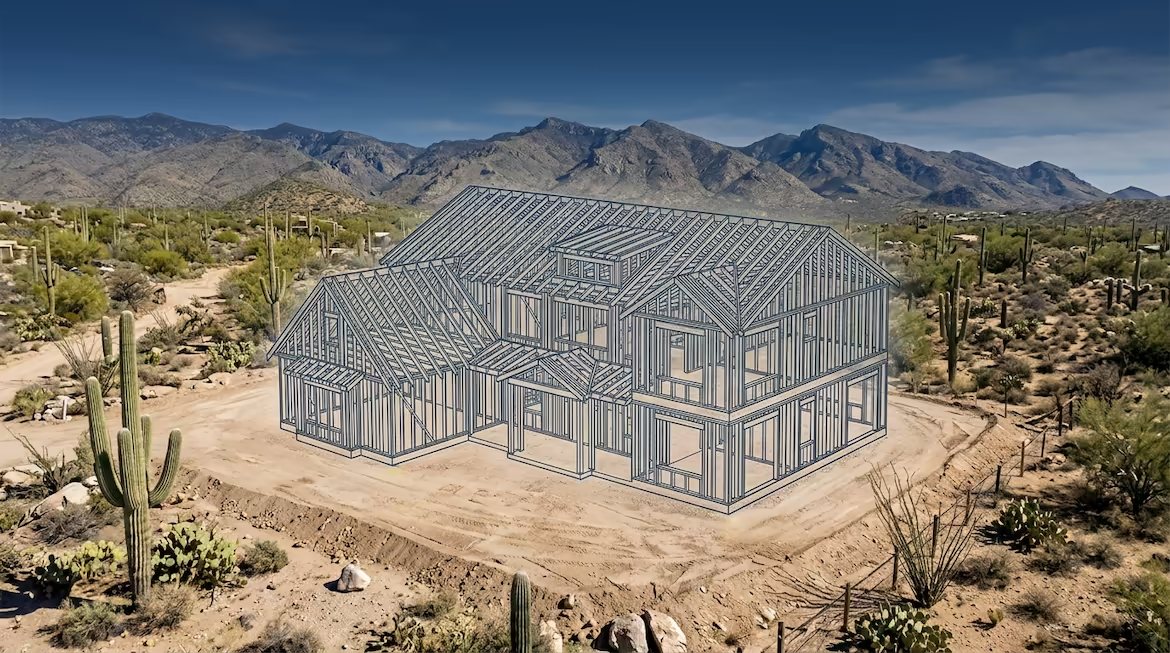
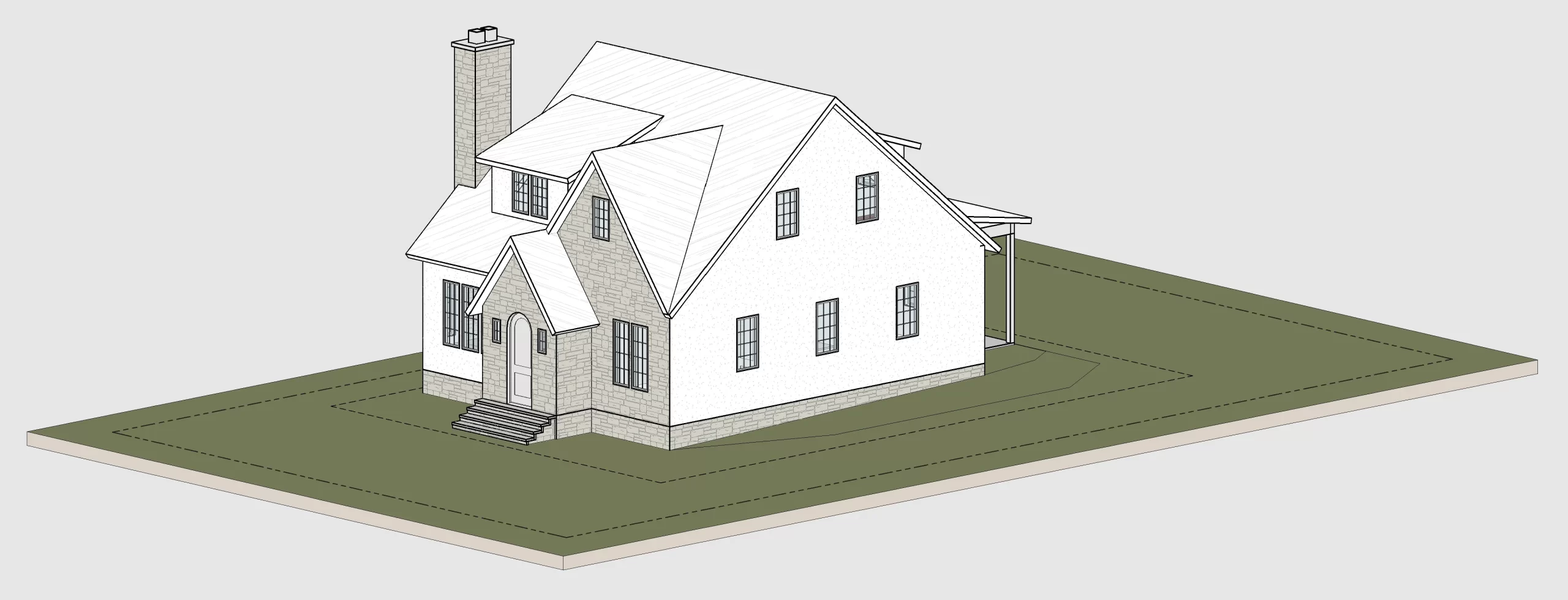
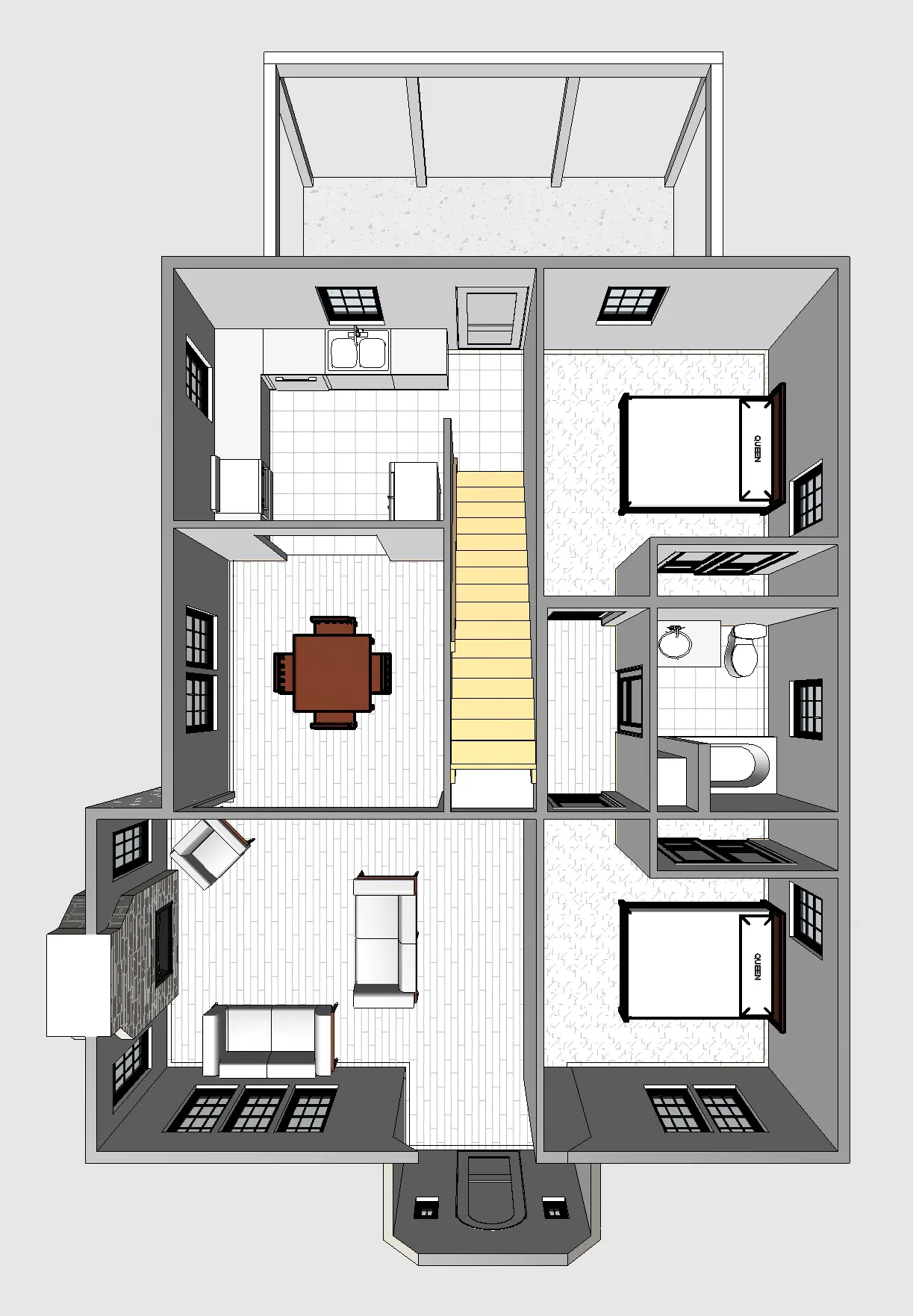
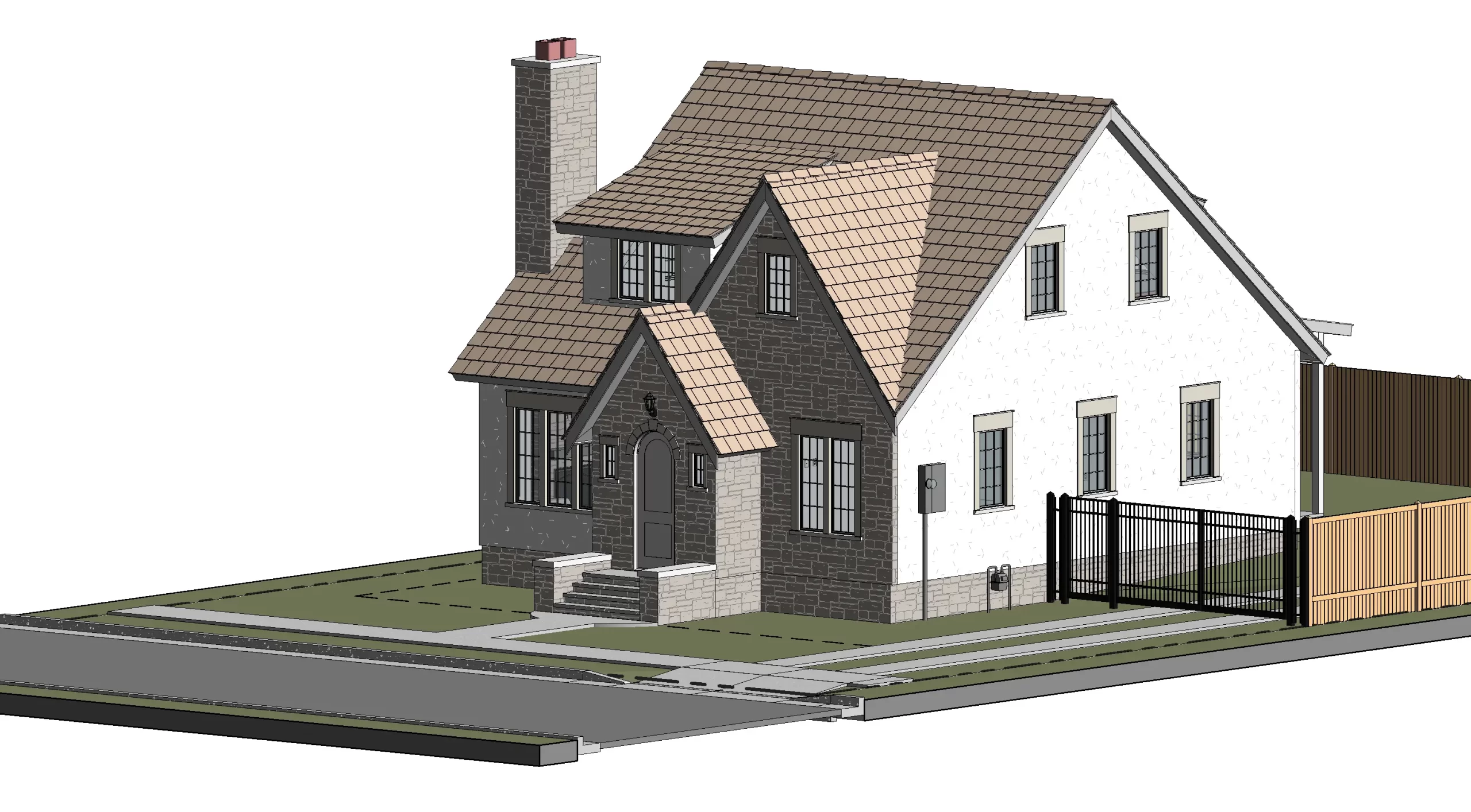
Building on the Massing Study, the Schematic Design phase begins with a collaborative two-hour 3D virtual design session and continues with the development of a cohesive 3D model that advances your project's design.
We refine form, function, and spatial organization—balancing scale, proportion, and site context—while keeping details schematic to allow flexibility, faster iteration, and controlled design costs. This phase concludes with a PDF Schematic Design Package that supports early contractor pricing and coordination with other design professionals.
Design Development
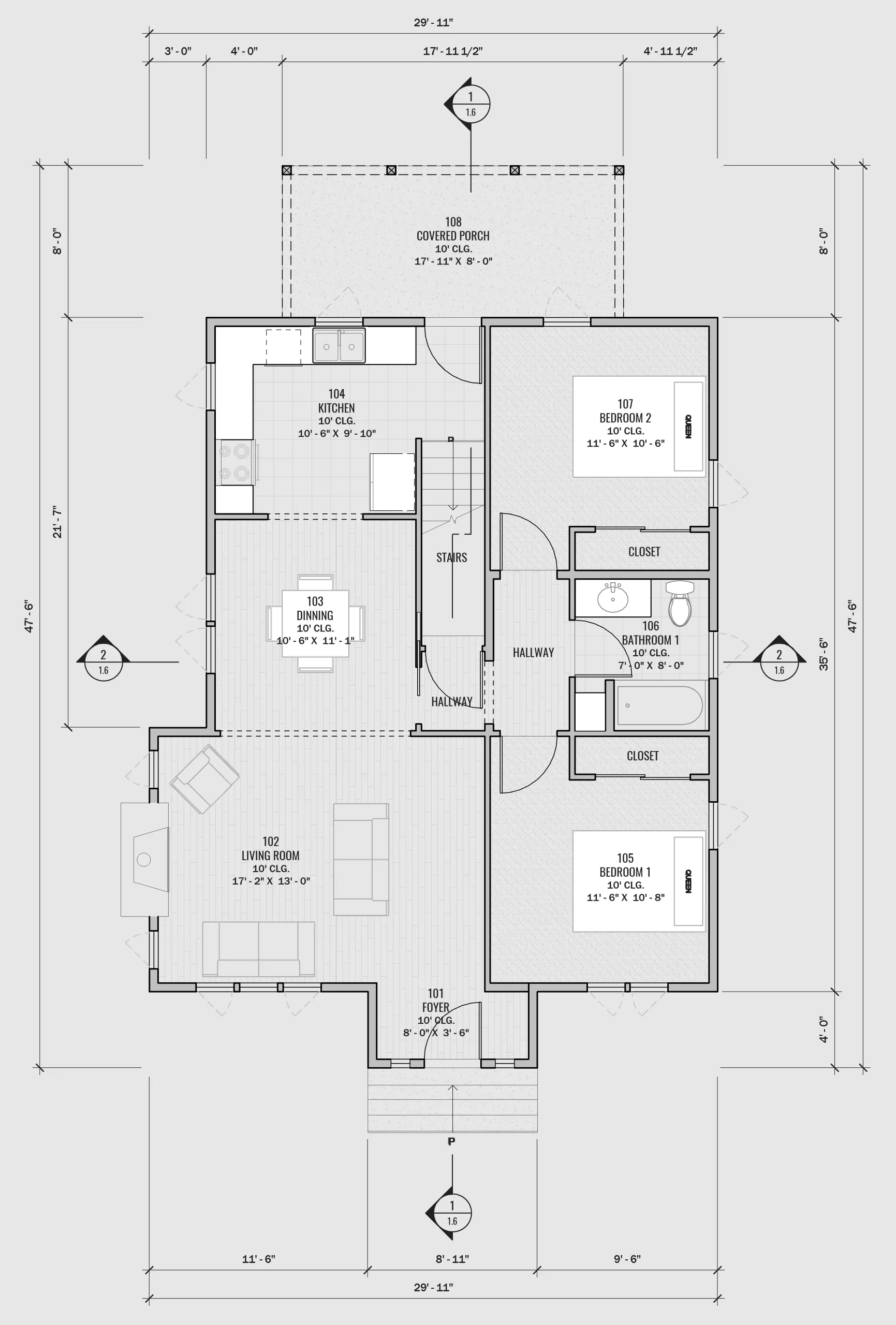
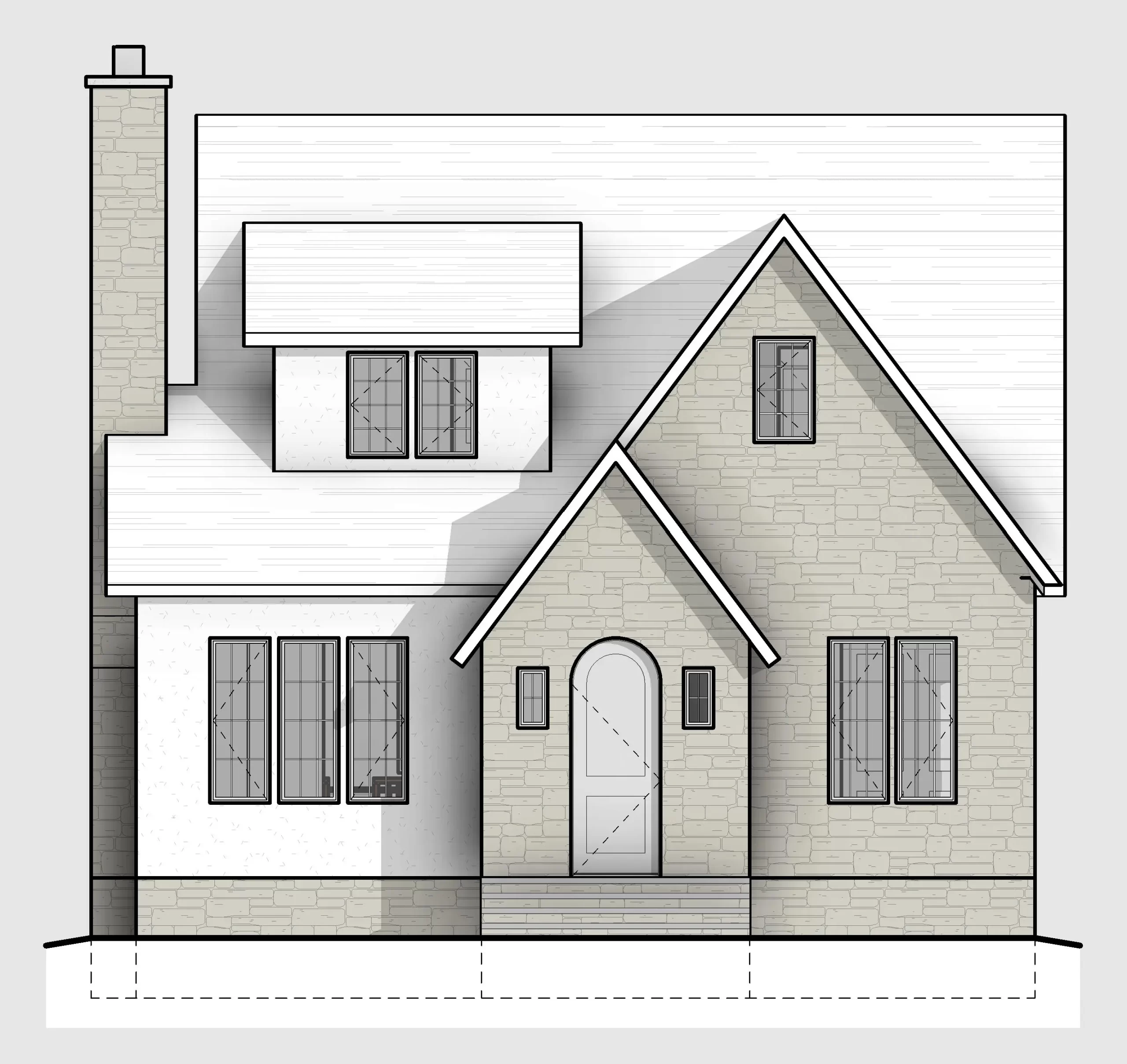
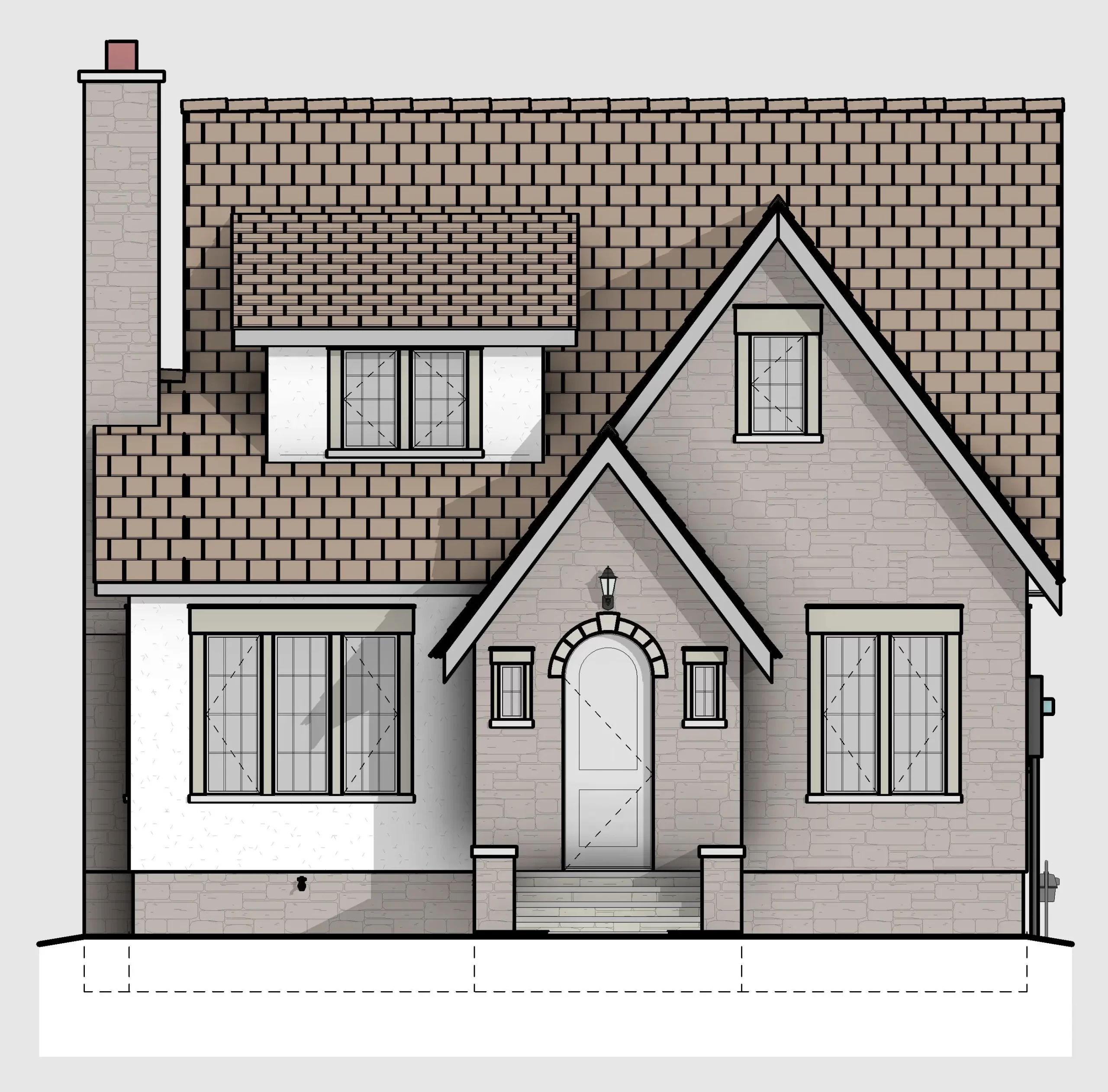
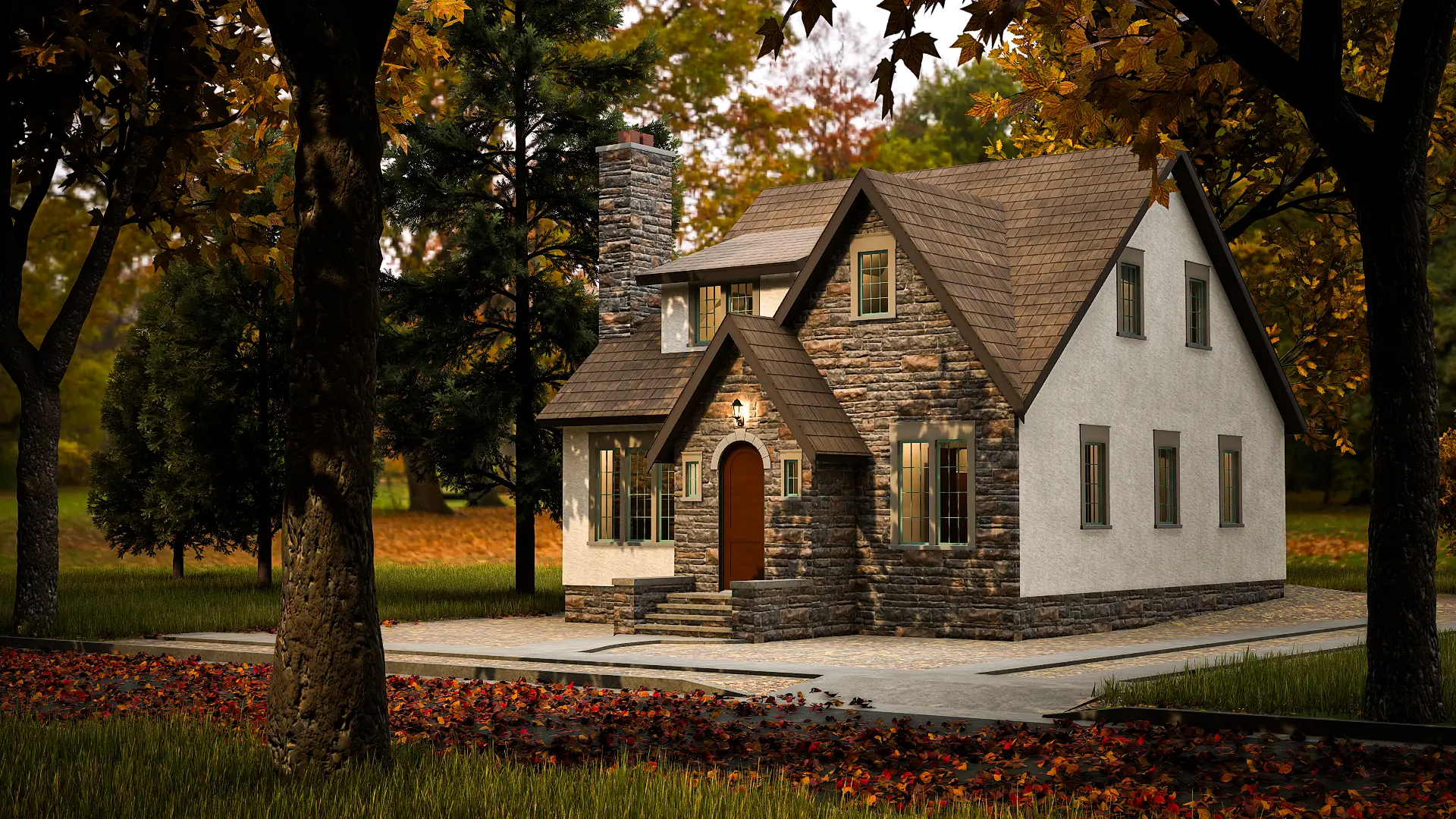
With form and function established, the Design Development phase refines key details. Working closely with you, we conduct a third two-hour 3D virtual design session to align the design with your goals and aesthetic preferences. We may incorporate interior details and built-ins as needed and provide photorealistic renderings to help you fully visualize your project.
This phase concludes with a PDF Design Development Package that adds detail—including power and lighting, door and window sizes and placement, and exterior finishes. It completes the design process and prepares your project for Construction Documents.
Construction Documents
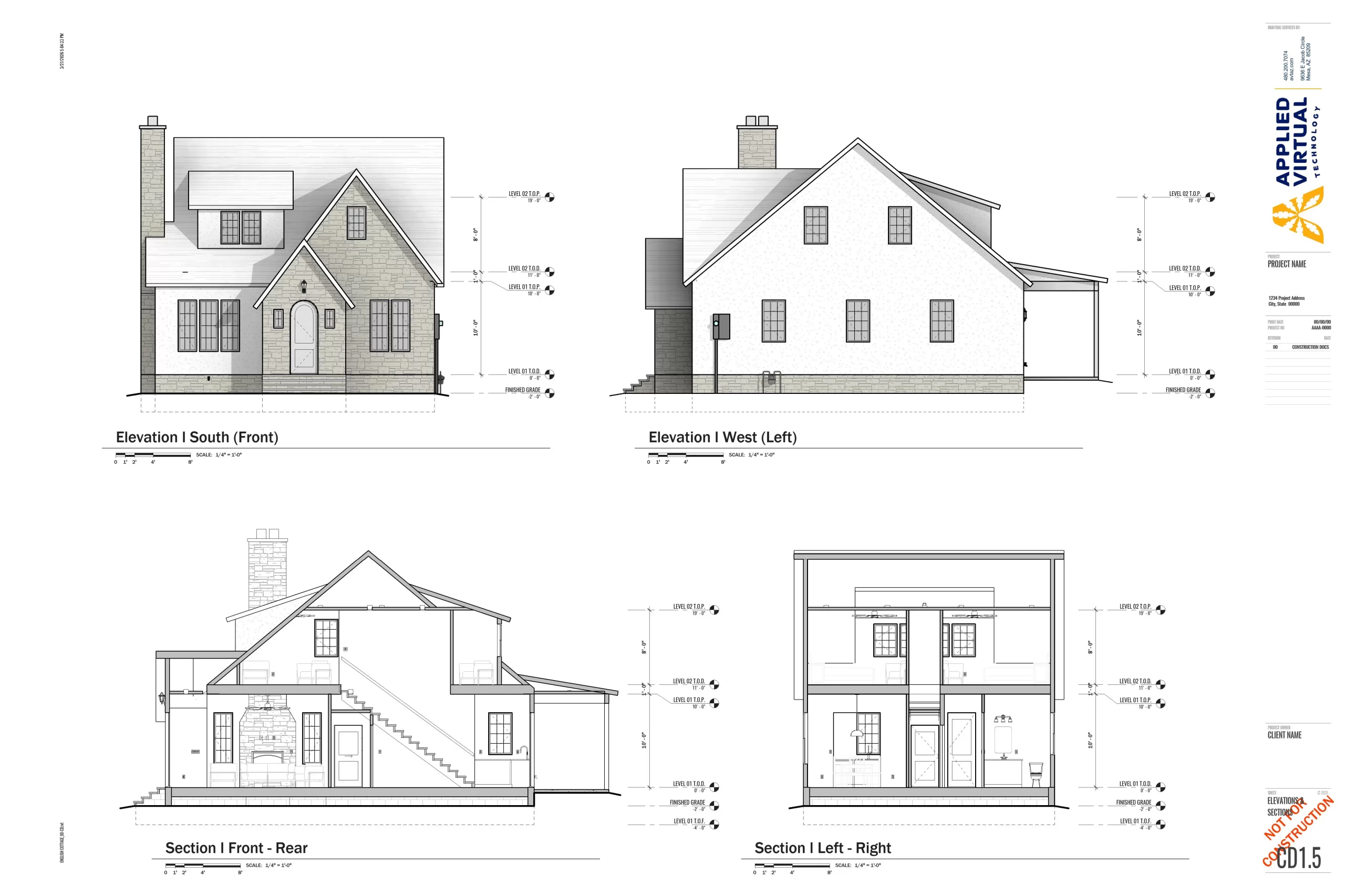
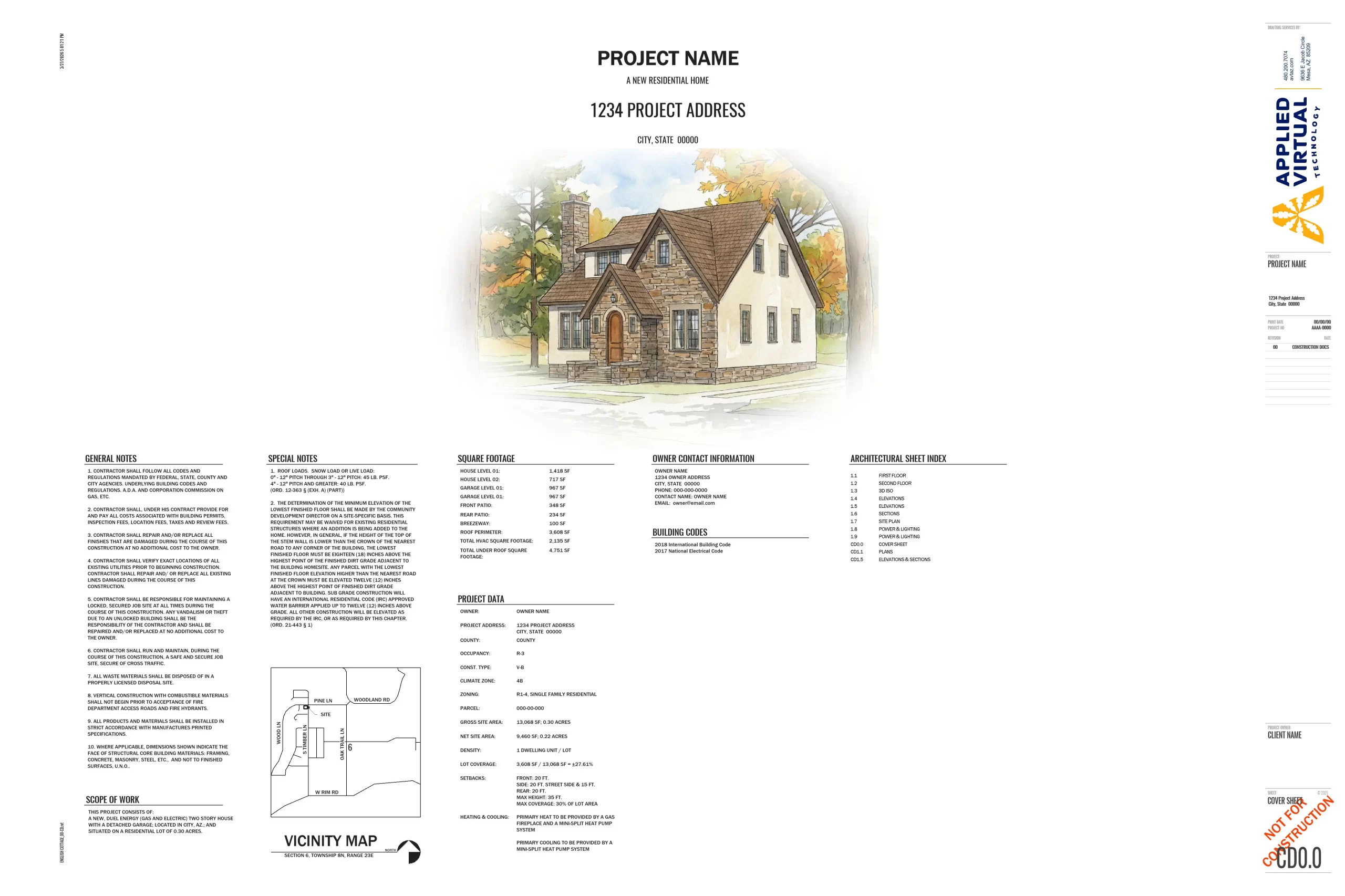
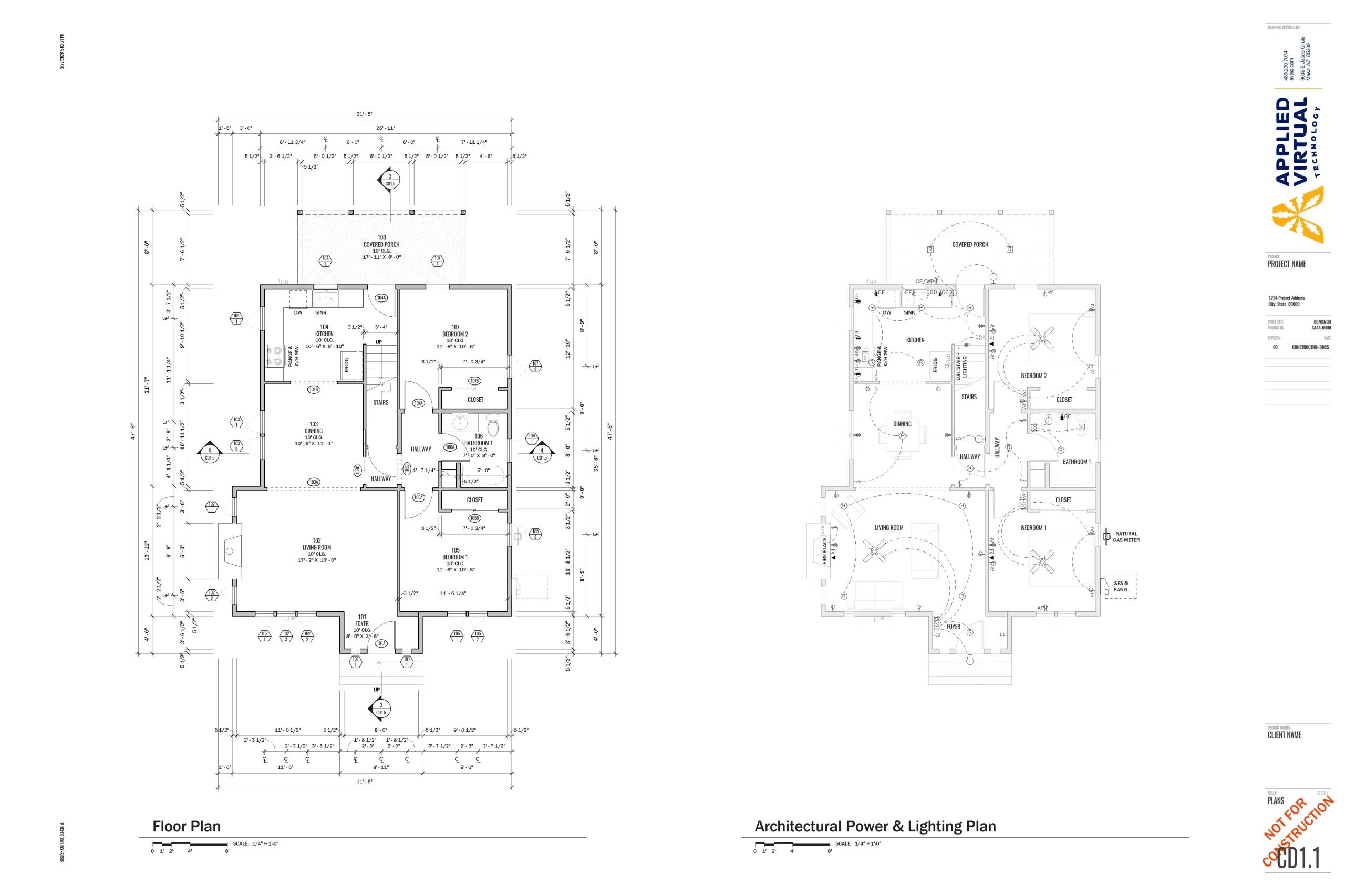
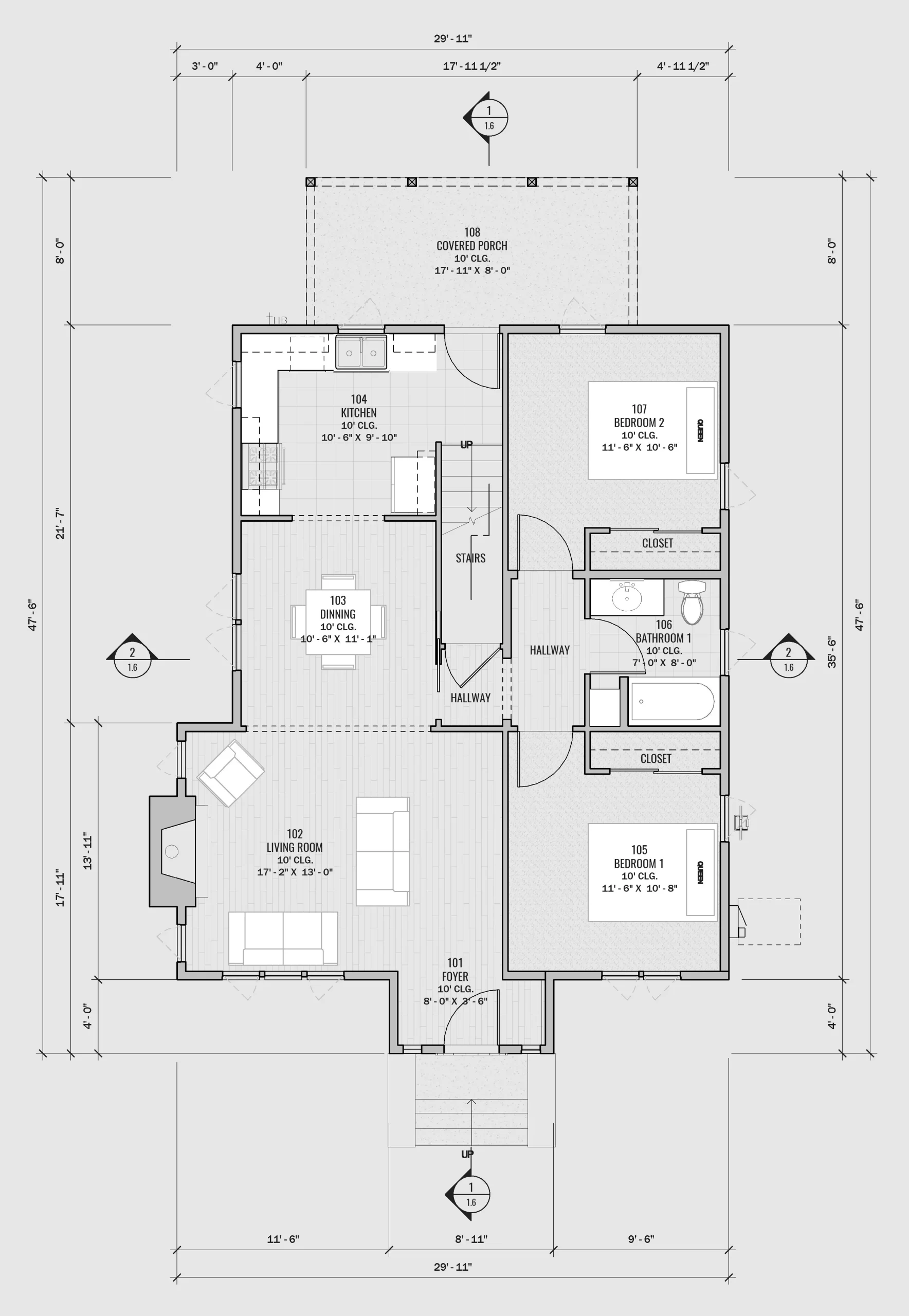
As the Blueprint for your vision, the Construction Documents are the drawings of the design features required for bidding and construction. These well-organized, annotated documents provide contractors with the information needed to build your project. The PDF Construction Document Package features a comprehensive set of drawings, including a site plan, floor plans, elevations, sections, and power and lighting layouts.
Depending on local permitting requirements, additional design services and documentation may be required, including structural, civil, mechanical, electrical, plumbing, and survey services, as well as jurisdictional permit drawings. Your builder can help determine which of these additional services are necessary for your specific area and project scope.