

A Silent Language: Why Scale and Proportion Matter
Have you ever walked into a room and immediately felt a sense of calm and “rightness,” only to visit another space that felt strangely cramped or overwhelmingly large? Most of us can sense when a space feels inviting, yet we often struggle to explain why. The answer rarely lies in paint color or the furniture itself. Instead, it is found in a 2,500-year-old architectural language: the classical orders.
While the word “classical” may bring to mind Greek temples or grand courthouses, the principles behind classical architecture—especially scale and proportion—form the DNA of comfortable, enduring homes. Whether designing a simple farmhouse or a cozy cottage, applying these principles can transform a mere space into a meaningful place.

The Upward Draw: Finding Liberty in the Vertical
One characteristic of the classical orders is their tendency to draw the eye upward. In much of modern homebuilding, there is often a preference for the horizontal: ceilings feel low, and windows are frequently wide and squat. The result can feel heavy and compressed, as though the house is pressing downward on its occupants.
Classical design offers the opposite. Here, “vertical” does not mean monumental height, but rather a proportional relationship between width and height that encourages the eye to rise. When a door or window carries a subtle vertical emphasis, it creates a feeling of lift and dignity. It echoes the natural posture of the human body—upright and reaching—and can evoke an instinctive sense of comfort and harmony.

Beyond the Blueprint: The Geometry of Comfort
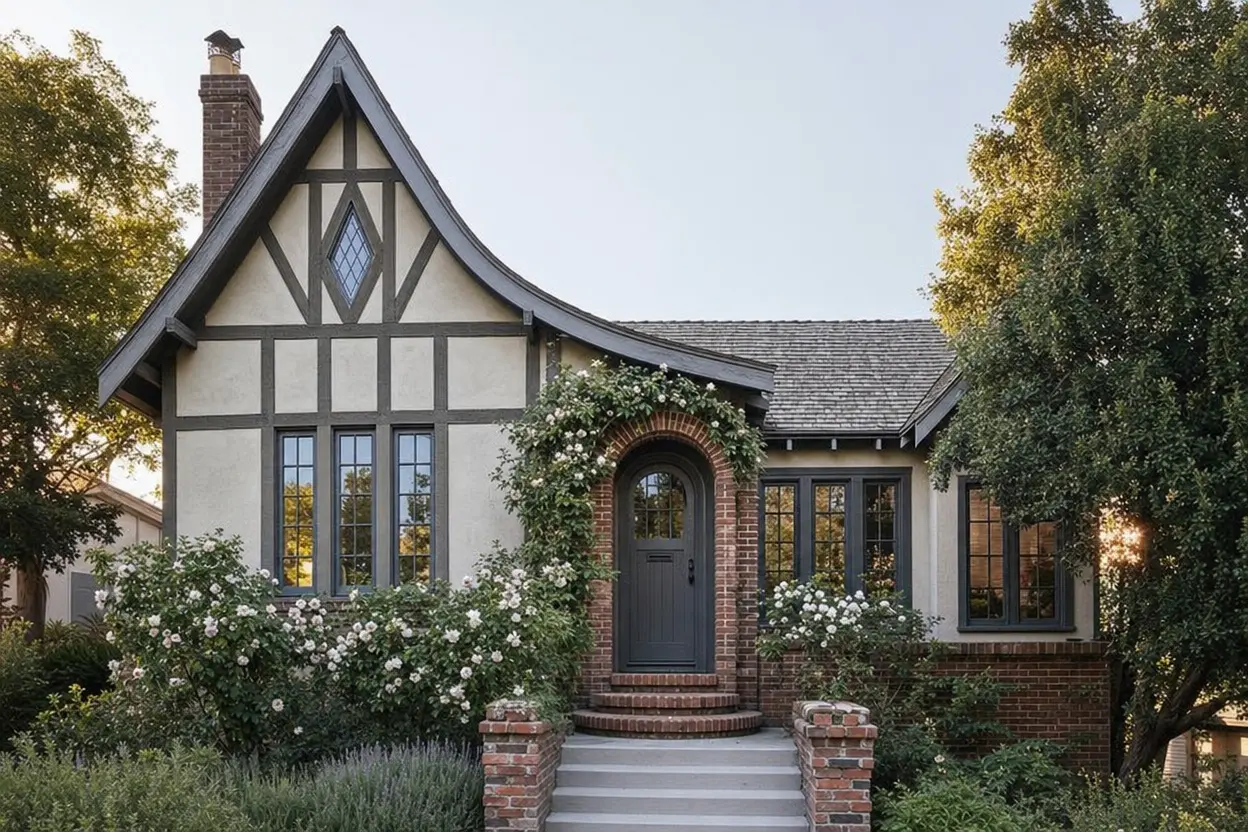
Windows are the eyes of a home. Their proportions shape both the mood of the interior and the character of the exterior. A vertically proportioned window naturally draws the gaze upward toward the sky.
Even small details, such as divided-light windows and muntin patterns, contribute to this effect. In well-proportioned windows, the individual panes are often vertical rectangles themselves. This creates a nesting relationship in which smaller proportions echo larger ones: the pane reflects the window, and the window reflects the wall in which it sits. This repetition of proportion creates a visual harmony the human mind instinctively recognizes as beautiful.
Elevating the Ordinary
You do not need marble columns or grand facades to benefit from these principles. Much of what we cherish in everyday buildings—farmhouses, cottages, and neighborhood homes—belongs to what architects call vernacular architecture. The beauty emerges when classical scale and proportion are thoughtfully applied to these simpler forms.
Consider the way a home announces its spaces. In many modern houses, heavy ornamentation or oversized doors are often reserved for secondary spaces, while the main entry remains understated. Classical tradition suggests the opposite: important spaces should be expressed through a clear hierarchy of composition.
By carefully placing window sills, scaling moldings thoughtfully, and maintaining balanced proportions, even a modest home or space can achieve a timeless sense of dignity and presence.
Look at Your Space
The next time you enter a room that feels especially welcoming or charming, pause and consider why. Are the windows and doors reaching upward? Does the room’s height feel balanced with its width? Often, the spaces we love most are quietly shaped by the timeless language of scale and proportion.